
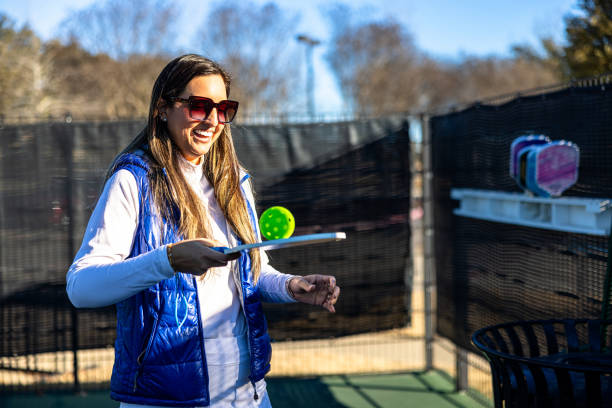
Participating in pickleball tournaments offers players a unique opportunity to enhance their skills and elevate their overall game. Unlike casual play, tournaments bring a higher level of competition that challenges individuals to perform under pressure and adapt quickly to varying opponents. This environment encourages players to refine techniques, develop strategic thinking, and build mental toughness essential for success on the court.
One significant way tournaments contribute to improvement is through exposure to diverse playing styles. In regular practice or friendly matches, opponents often have similar skill levels or predictable patterns. Tournaments introduce competitors from different regions or backgrounds who employ various tactics and shot selections. Facing these varied approaches pushes players out of their comfort zones, prompting them to experiment with new strategies and respond more effectively during rallies.
Moreover, the structured format of Texas pickleball events tournaments demands consistent focus throughout multiple matches. Players learn how to manage energy efficiently while maintaining concentration despite fatigue or setbacks. This endurance training translates into better performance during long games or intense situations in future encounters. The ability to stay composed when stakes are high fosters confidence that benefits all aspects of one’s playing style.
Another advantage lies in receiving immediate feedback through match outcomes and observations by coaches or fellow participants. Winning can validate effective techniques, while losses highlight areas requiring attention such as footwork, shot placement, or positioning at the net. Many tournaments also offer opportunities for coaching sessions or workshops where experts analyze gameplay and provide personalized advice tailored to individual needs.
Tournaments also build camaraderie among players who share a passion for pickleball. Interacting with peers allows exchange of tips and experiences that may not surface during solo practice sessions. This community aspect motivates continued learning and commitment by creating an encouraging atmosphere where progress is celebrated collectively.
Additionally, competing regularly helps establish realistic goals based on actual performance metrics rather than assumptions made during informal playtime. Tracking improvements over successive events enables athletes to set achievable milestones aligned with their desired skill level progression.
In summary, participating in pickleball tournaments serves as an invaluable tool for player development by offering challenging competition, fostering adaptability through diverse opponents, enhancing mental resilience under pressure, providing constructive feedback mechanisms, promoting social engagement within the sport’s community, and facilitating goal-oriented growth based on measurable results-all crucial elements for continuous improvement in this rapidly growing sport.