Attic insulation serves as a crucial component in maintaining energy efficiency and comfort within homes. However, it can also inadvertently become a safe haven for various pests. Understanding how this transformation occurs is essential for homeowners seeking to protect their properties from unwanted infestations.
The primary function of attic insulation is to regulate temperature by preventing heat transfer between the living spaces below and the external environment above. This creates an ideal microclimate that pests find appealing, especially during extreme weather conditions. In colder months, the warmth retained by insulation provides refuge from freezing temperatures outside, while in hotter months, it offers a cooler escape from the blistering heat.
One key factor contributing to pest infestation in attic insulation is its composition and structure. Many types of insulation materials, such as fiberglass or cellulose, provide ample nesting opportunities due to their fibrous nature. Rodents like mice and rats are particularly adept at burrowing into these materials to create nests where they can raise their young undisturbed. Additionally, these creatures often bring food sources into the attic space to store near their nests, further attracting other pests.
Moisture accumulation is another aspect that makes attic insulation attractive to pests. Leaks in roofing or poor ventilation learn more about it here can lead to dampness within the insulating material, creating an inviting environment for insects like termites and carpenter ants that thrive in moist conditions. These insects not only damage structural components but also exacerbate moisture problems through their tunneling activities.
Furthermore, attics are generally less frequented areas of a home compared to living spaces such as kitchens or bedrooms. This lack of human disturbance allows pests ample time and opportunity to establish themselves without interference. Once settled within the safety of insulated areas, these creatures can multiply rapidly before being detected by homeowners.
In addition to rodents and insects, birds may also find attic spaces appealing if access points exist around eaves or vents. Their presence introduces additional risks such as mites or parasites which can spread throughout a home if left unchecked.
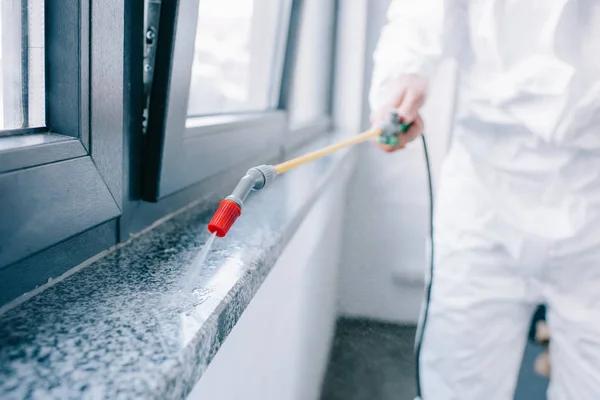
Preventive measures play an integral role in mitigating pest issues associated with attic insulation. Regular inspections should be conducted both inside attics for signs of activity (such as droppings) and outside buildings looking specifically at potential entry points needing sealing off using appropriate materials like steel wool mesh combined with caulking compounds designed specifically against animal intrusion attempts; ensuring proper ventilation systems remain clear helps avoid excess humidity buildup conducive towards insect habitation too!
By understanding how attics transform into sanctuaries suitable enough even enticingly so -for various kinds wildlife seeking shelter amid harsh environmental extremes faced seasonally everywhere globally today- proactive steps taken now could save significant headaches tomorrow!